


A love for nature, art, and design brought Hannah and Steven together in 2011 during their time attending the Maine College of Art in Portland. They share common interests in design, value in the handmade and similar vision of a more regenerative future.
Working together on the design and build of a tricycle powered, mobile farmstand called, the Grow Cart, for Portland non-profit, Cultivating Community in 2013. Shortly after the completion of the project, their son, Finn, was born a few months later.
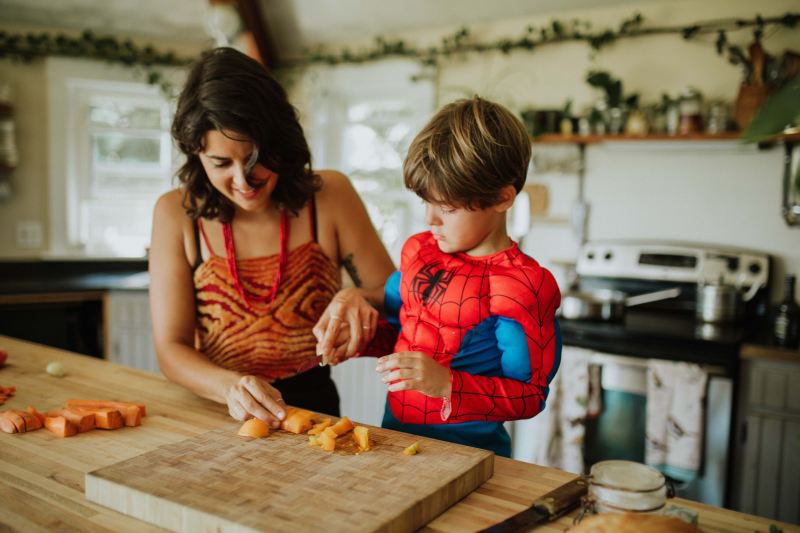
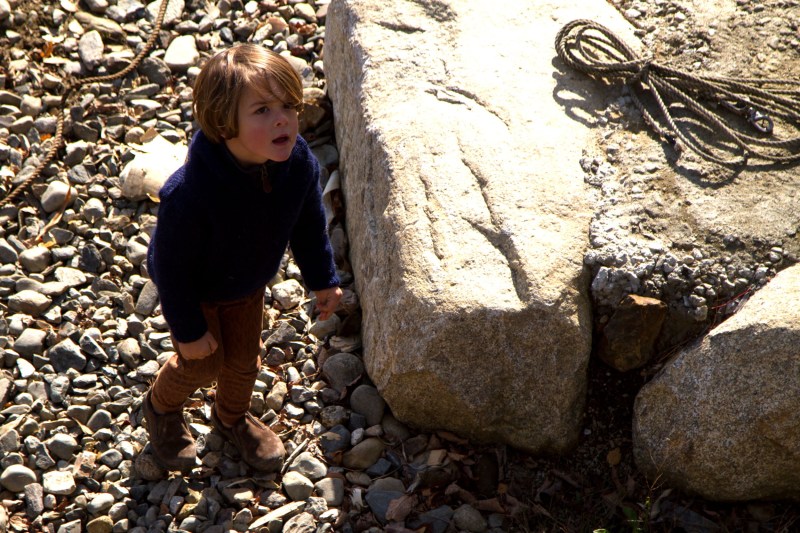
They started to raise Finn in an apartment in the city, but knew they wanted Finn to live a life connected to food, the land, and his community and Hannah and Steven both desired to create something for him and for future generations.
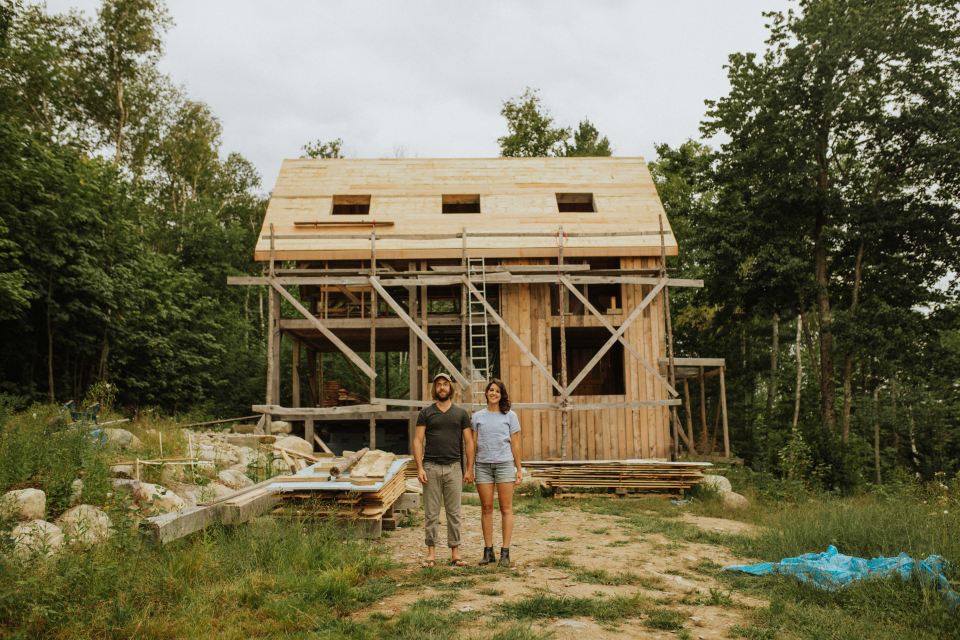
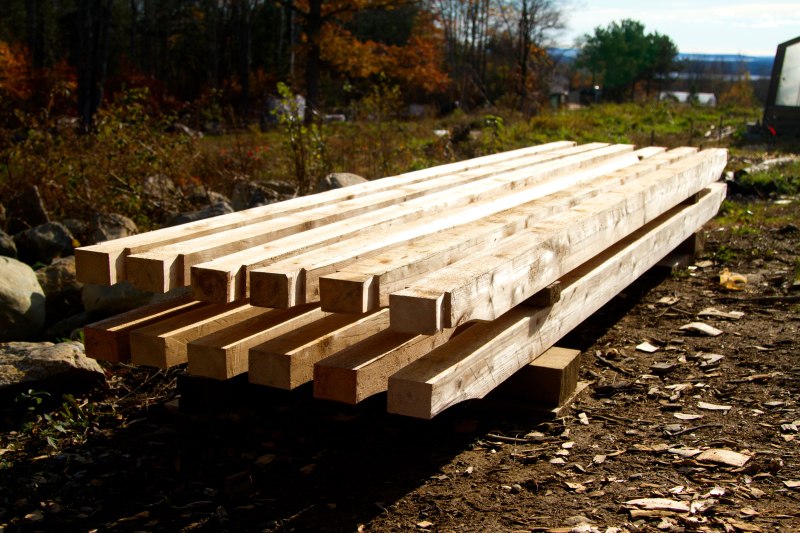
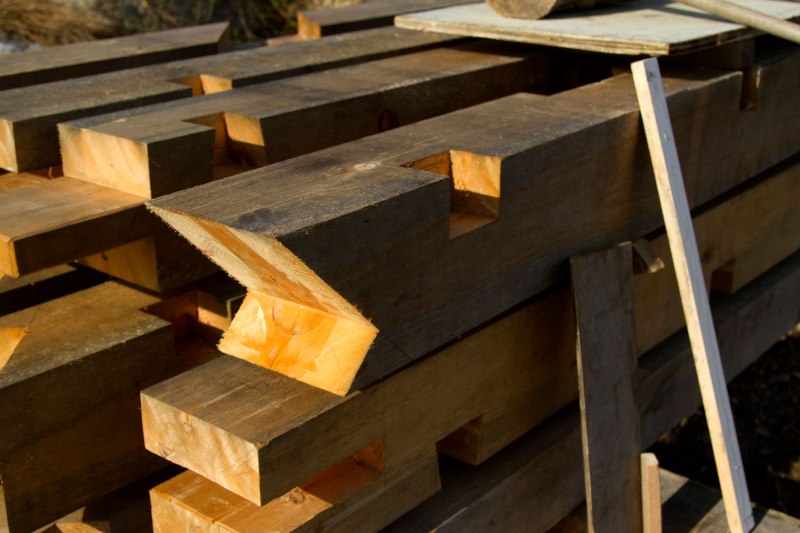
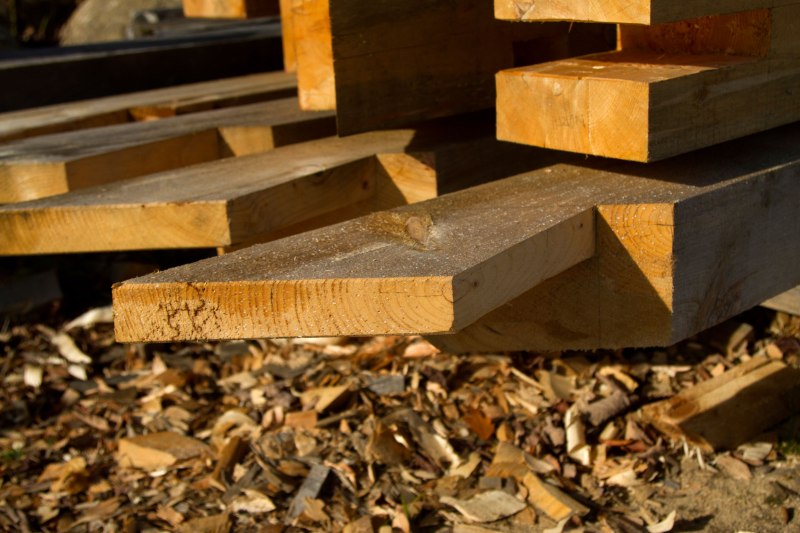
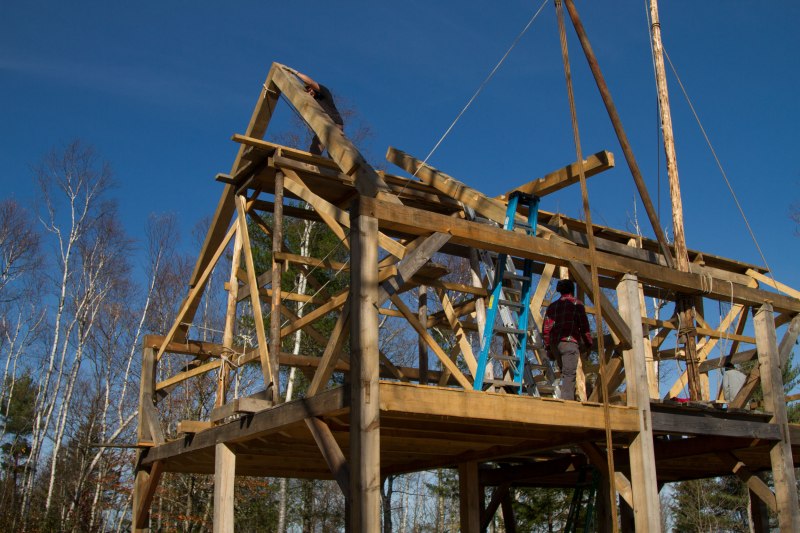
They were soon given a few acres on Hannah’s family property to build a house and start a homestead. They bought a sawmill and have been building since.
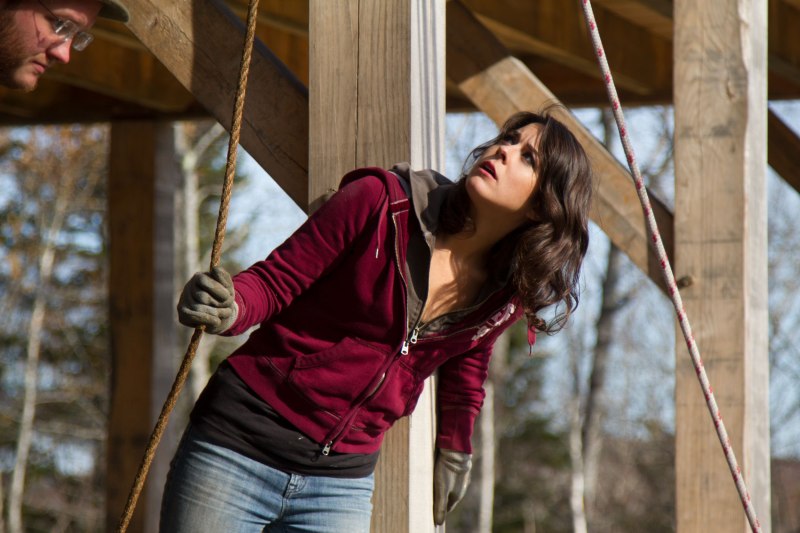
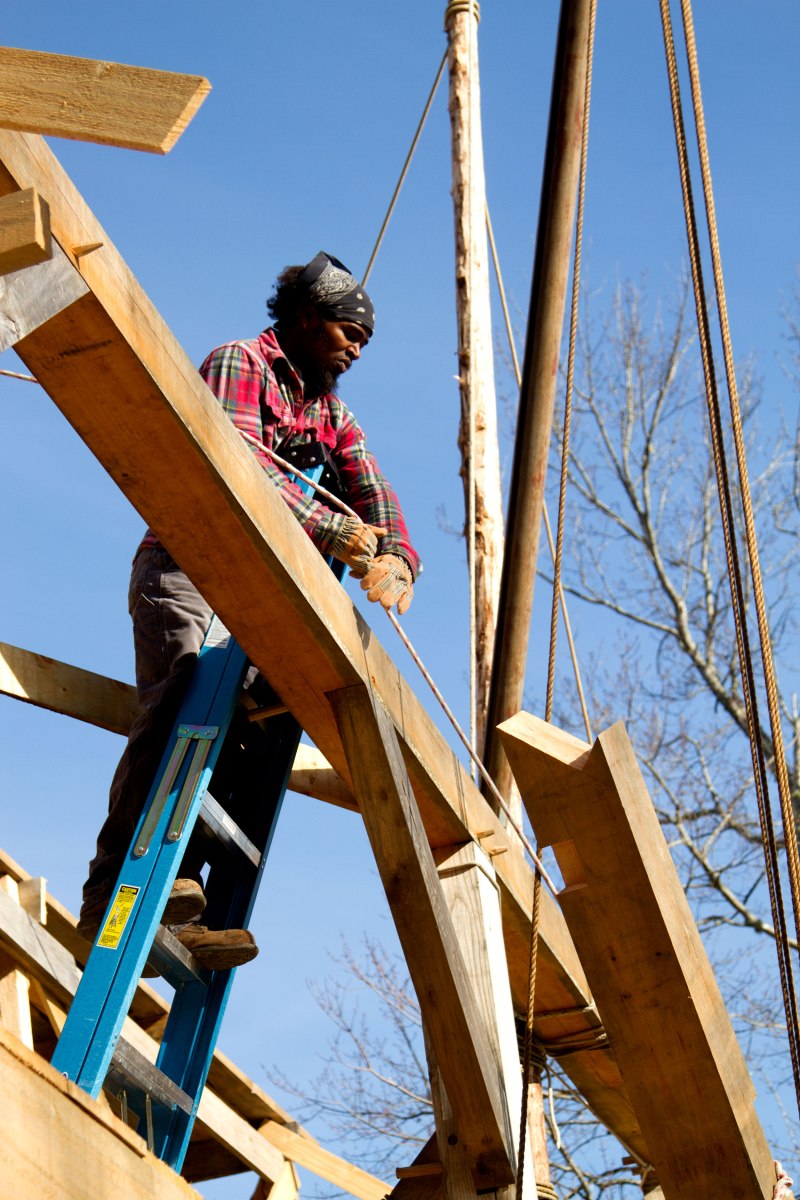
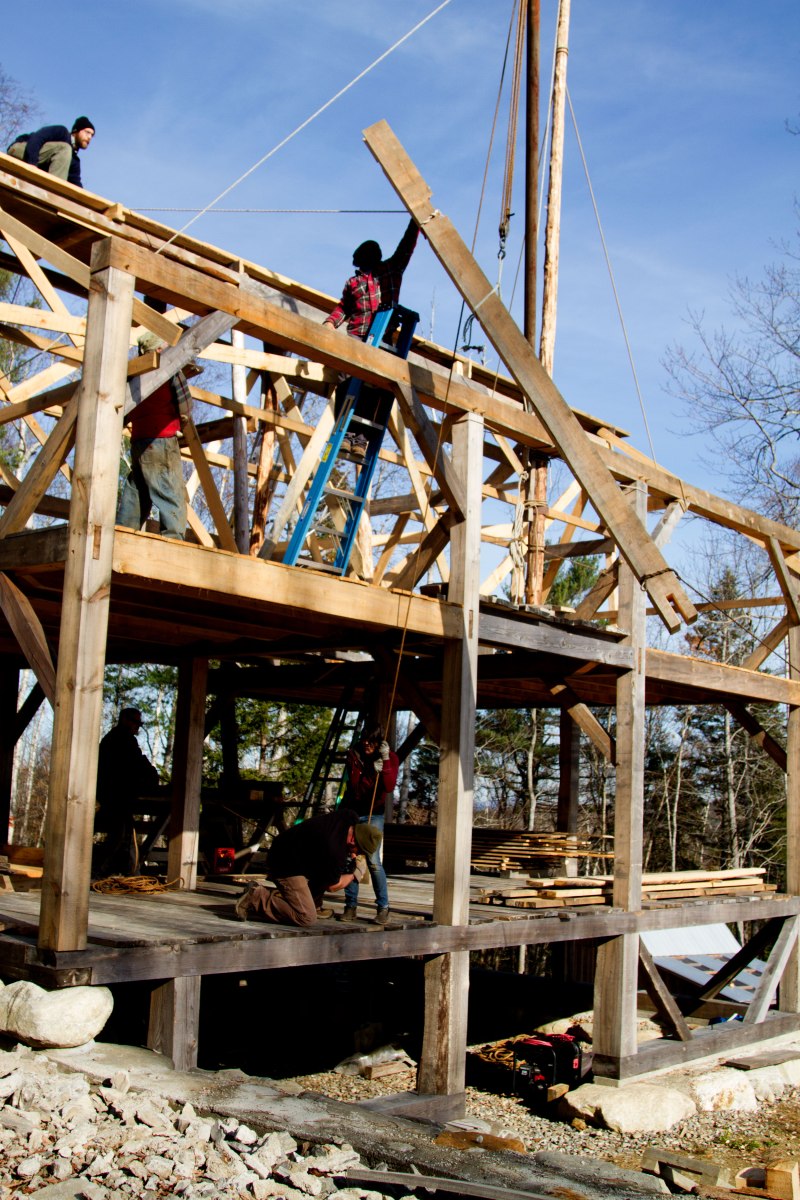
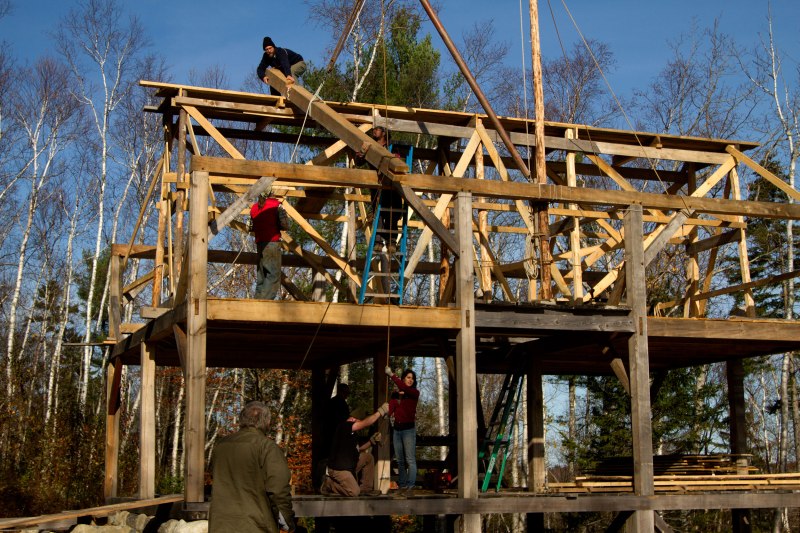
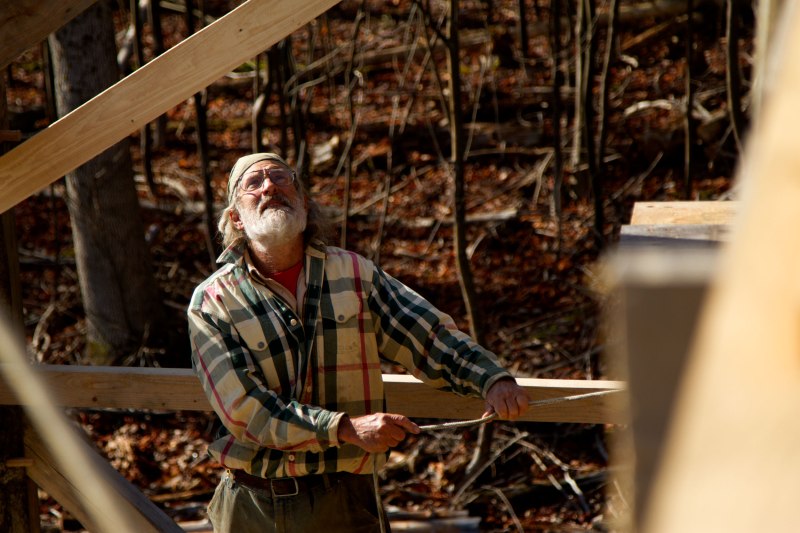
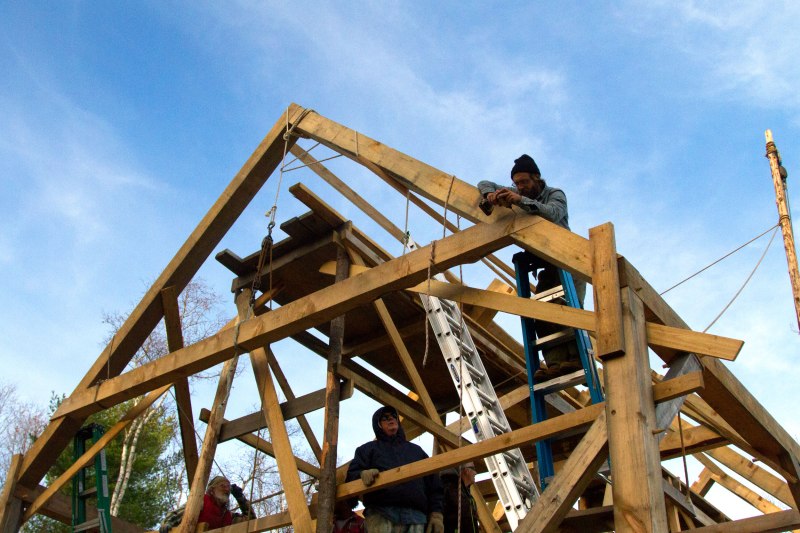
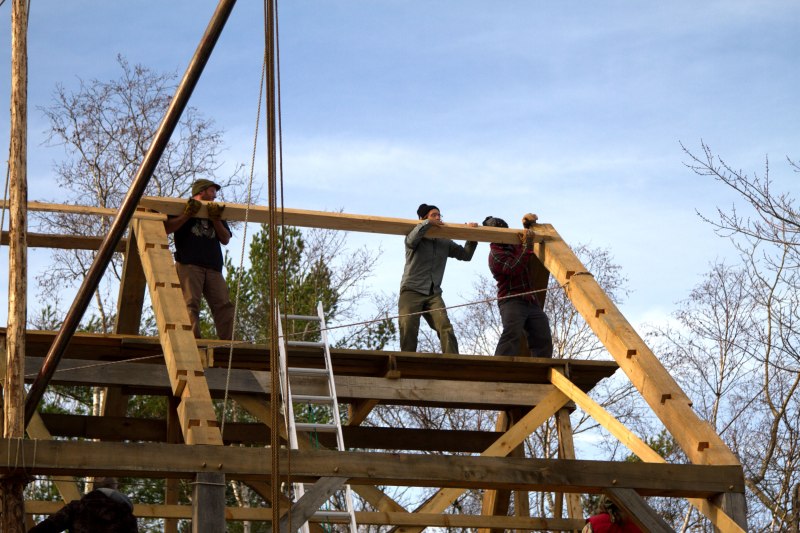
Inspired by the Norwegian tradition of a dugnad where members of the community come together to gather, share and create for the good of the community. The creative team started Dugnad Farm to share their love of coming together to create and live in a more regenerative way.
Hannah and Steven are experienced in helping visually grow local businesses, interacting with community in an artful way, and designing a resilient way of living.
Hannah has worked on creative projects with local businesses including logo design, sign making, book compiling and design, illustration, and design/build projects.
Steven is a skilled craftsman with time managing a custom cabinet shop. He makes custom furniture and custom home projects for members of the Waldo County area.

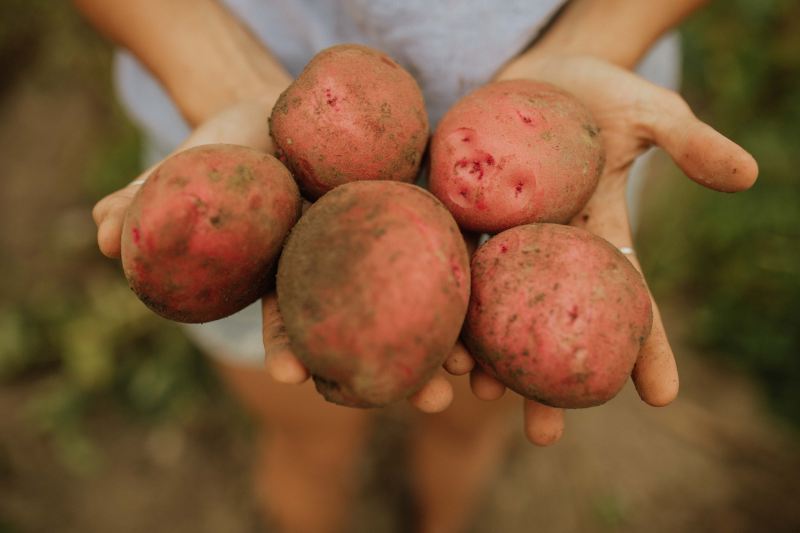
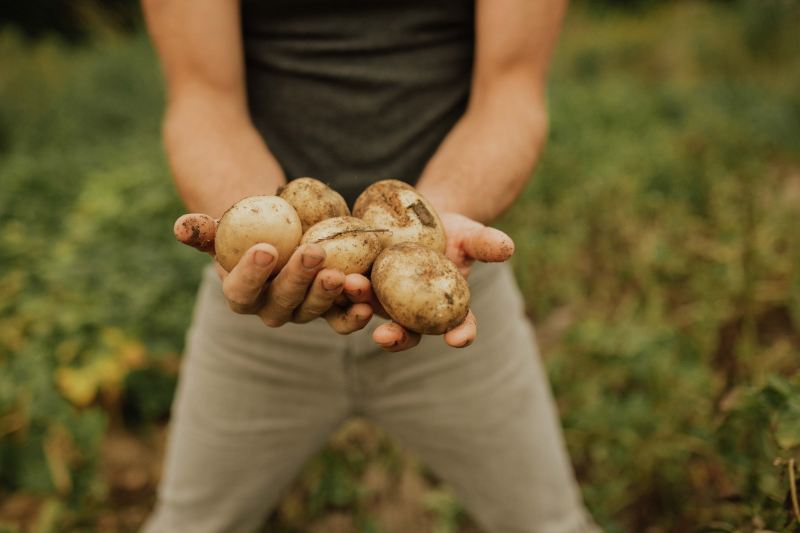
 Having a deep connection to the food we eat and to the land where we live is a goal for our project. Growing food while giving back and building the soil with leaves, seaweed, and compost is a principal component of reaching this goal. Over the past 5 years we’ve planted 25 varieties of fruit and nut bearing shrubs and trees, while raising chickens who love to help cultivate the land. We have 3 main crop gardens for annual vegetables, which usually consists of storage root vegetables and winter squashes. As we become more involved in the whole process of saving seeds, transplanting seedlings, weeding and watering, and observing the natural patterns, we have become closely connected to our food and where we live. The soil is our partner and we have to develop a loving relationship with it if we are going to have any chance at all of creating abundance and meaningful connection to the planet.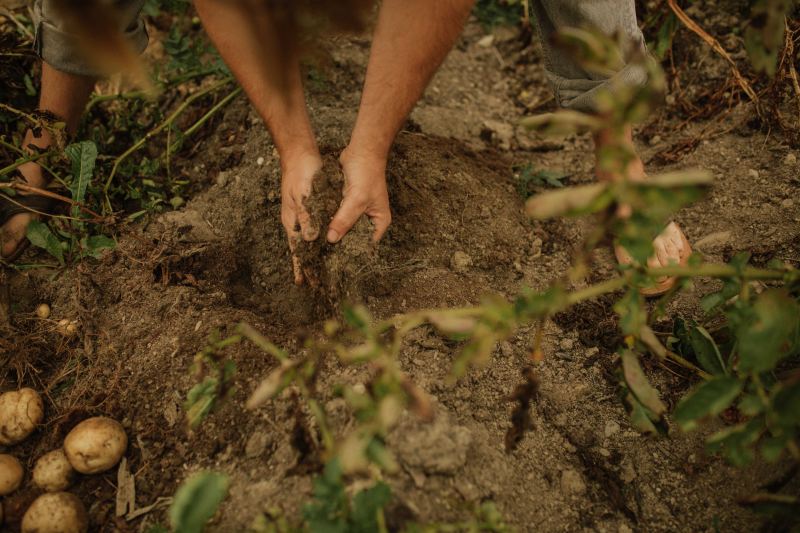














 dugnadfarm.com